Care and repair
How long perfume and make-up last once opened
The open-jar symbol, the 30-month rule and the minimum durability date, and a storage routine that keeps a fragrance usable for the years you paid for.
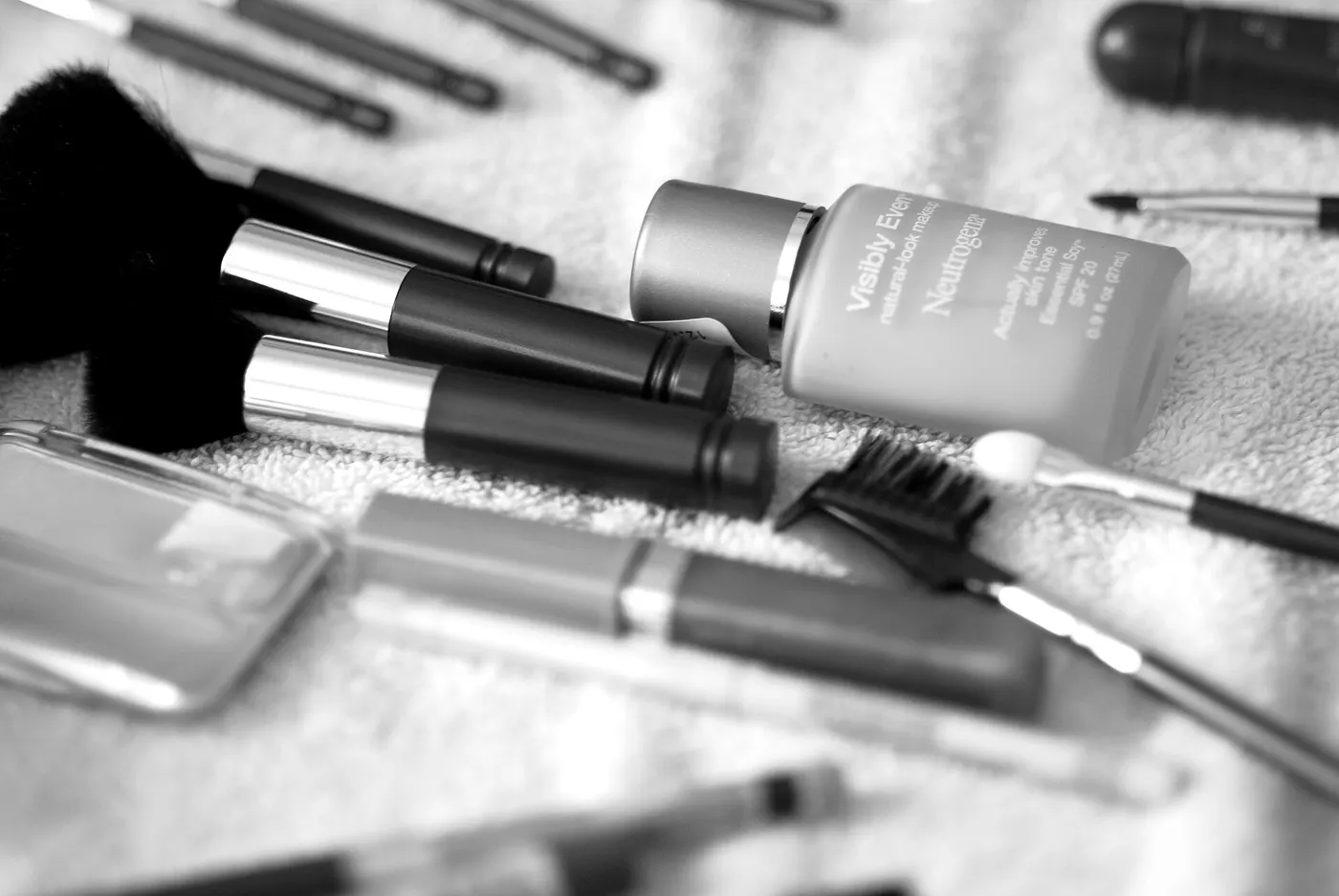
Every pack on a British shelf carries one of two date marks, and which one it carries is decided by a single threshold in the cosmetics regulation: 30 months. Knowing which mark you are looking at tells you whether the clock started in the factory or starts the day you open it.
This guide reads those marks, then turns them into the two decisions that follow: where to keep things, and when to stop using them. The example prices here are used to show the arithmetic and were checked on 2026-11-03.
Read the pack before you read anything else
Article 19 of the retained cosmetics regulation requires a date 'until which the cosmetic product, stored under appropriate conditions, will continue to fulfil its initial function'. For products whose durability is more than 30 months that specific date is waived, and the pack must instead show the period after opening for which the product is safe to use, as an open-jar symbol followed by a figure in months or years.
So a 12M jar is not a product that expires in twelve months. It is a product the manufacturer expects to keep for more than 30 months unopened, and to be safe for twelve months once the seal is broken. A pack with a printed 'best used before end' date is the opposite: its unopened life is 30 months or less, and the date is the one that governs.
The guidance for making cosmetic products available in Great Britain adds the rest of the required label: the weight or volume, and the ingredients, with nanomaterials followed by '(nano)'. Packs under 5 grams or 5 millilitres can be exempt from parts of that, which is why a sachet or a tiny vial may carry almost nothing you can act on.
| Mark on the pack | What it means | When it is required |
|---|---|---|
| Open-jar symbol with 6M, 12M or 24M | Months the product stays safe to use after you first open it | When unopened durability is more than 30 months |
| A minimum durability date | The date the product stops performing as intended, stored properly | When unopened durability is 30 months or less |
| Ingredients in descending order of weight | Everything above 1 percent is ranked; anything below 1 percent can be in any order | On all cosmetic products |
| 'may contain' or '+/-' | Colorants used across a whole shade range, not only in your shade | On decorative cosmetics sold in several shades |
Both date marks come from Article 19 of the retained cosmetics regulation; the 30-month threshold is what decides which of the two appears on a given pack.
What actually degrades a fragrance
Three things shorten a bottle's life, and none of them is time on its own: heat, light and air. A bathroom shelf gets all three, because the room swings through a wide temperature range twice a day, the window is usually clear glass, and a bottle a third full is two thirds air.
A drawer in a bedroom holds a steadier temperature, keeps light off the liquid and costs nothing. On the arithmetic in our buying guide, a 100 ml bottle at an example £120 is about £0.36 a wear across 333 wears; losing the last third of it to a sunny windowsill throws away roughly £40 of fragrance you have already paid for.
The original box is not packaging to be recycled on day one. It is the cheapest light barrier you will ever own, and a bottle kept in it on a cool shelf is doing everything a storage product sold for the purpose would do.
- Keep bottles out of the bathroom, where the temperature swings twice a day
- Keep the box, and use it as the light barrier it already is
- Store upright so the liquid is not sitting against the atomiser seal
- Buy the size you will finish within about three years rather than the size with the best price per millilitre
- Decant into a small atomiser for travel rather than carrying the main bottle through airport security
On make-up, the open-jar figure is a hygiene limit
A mascara wand goes into an eye and back into a sealed tube every morning. The 6M figure on most of them is a limit on how long that cycle is acceptable, not a sales device, and the money it costs is smaller than people assume.
Take an example £22 mascara used five days a week. Replaced at the 6M mark it covers about 130 mornings, which is about £0.17 a day. Kept for twelve months it would cover about 260 mornings at about £0.085 a day. The whole saving is 8.5 pence a day, or about £22 a year, set against the reason the symbol is printed there in the first place.
Products you apply with clean fingers or a washed brush, and that sit in a closed pan rather than a wet tube, carry longer figures for the same reason: a pressed powder with a 24M symbol is not being recontaminated twice a day. Washing brushes is the cheapest way to keep to those figures, and a brush that is washed weekly outlasts the make-up it applies by years.
| How long you keep it | Mornings covered at 5 days a week | Cost per morning | Cost over a year |
|---|---|---|---|
| Replaced at 6 months | 130 | £0.17 | £44.00 |
| Kept for 12 months | 260 | £0.085 | £22.00 |
Both rows divide the same example £22 price by the mornings in the row. The difference across a whole year is £22, which is the price of one tube.
A routine that costs nothing
Write the month you opened something on the base of the pack with a marker. The open-jar symbol tells you how long, and the only missing input is when you started, which no pack can print for you. Two seconds with a pen removes the entire guessing problem.
Then review the shelf twice a year. Anything past its figure goes; anything approaching it moves to the front so it gets used. Anything still sealed stays sealed, because its clock has not started and its unopened durability is more than 30 months by definition if it carries an open-jar symbol at all.
Fragrance is the exception to the throw-it-away rule. It does not carry an open-jar figure in the same way, and a well-stored bottle stays usable for years; what changes is the top notes, which fade first and make the first thirty seconds smell flatter than they did. If the opening has gone dull but the dry-down is intact, the bottle is still the bottle you bought.
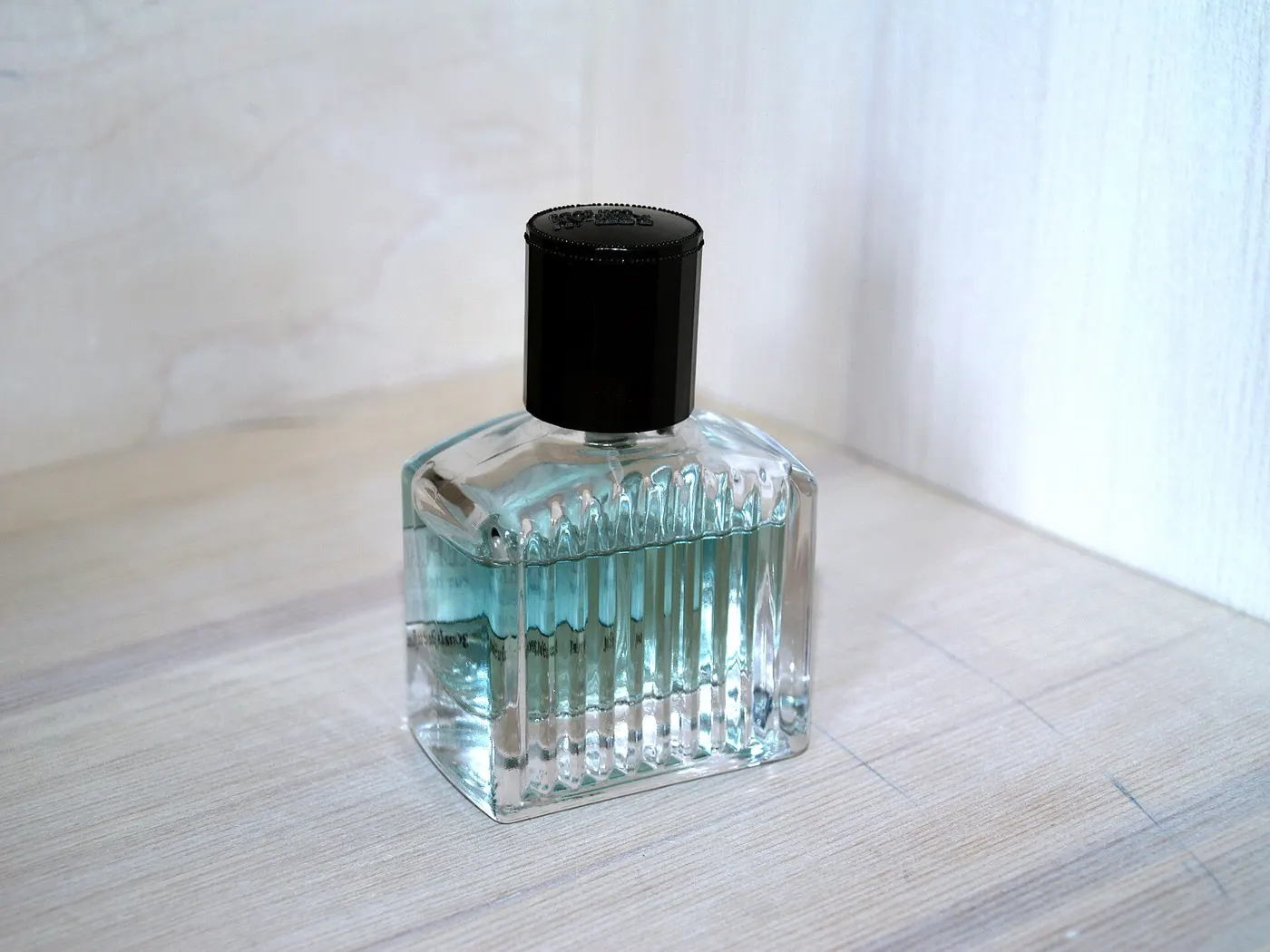
When to stop using something
Four signals settle it without any judgement call. The open-jar figure has passed. The minimum durability date has passed. The texture has separated, gone grainy or changed colour. Or it stings, which it did not do when you bought it.
Any one of those is enough. The arithmetic above exists to show that the cost of acting on them is small: at the example prices, a strict 6M mascara habit is £44 a year, and every other item on a normal shelf costs less per year than that to keep current.
Before you buy
- Write the opening month on the base of every pack that carries an open-jar symbol
- Check whether each pack has an open-jar figure or a minimum durability date, and act on whichever is there
- Move fragrance out of the bathroom and into a drawer or its original box
- Store bottles upright so the liquid is not resting against the atomiser seal
- Review the shelf twice a year and move anything near its figure to the front
- Wash brushes weekly so the open-jar figures on your powders are realistic
- Replace anything that has changed colour or texture, or that stings, whatever the date says
Questions readers ask
- What does 12M inside an open-jar symbol actually mean?
- Twelve months of safe use from the day you first open the pack. It also tells you the product's unopened durability is more than 30 months, because that is the threshold at which the regulation swaps a printed date for the symbol. The clock is yours to start, which is why writing the opening month on the base is worth doing.
- My perfume has no open-jar symbol and no date. Is that legal?
- It can be. The symbol is only required where deterioration after opening could harm the user, and a product under 5 grams or 5 millilitres is exempt from parts of the labelling rules. A full-size fragrance with a durability over 30 months and no realistic harm on deterioration can carry neither mark.
- Does keeping perfume in the fridge help?
- A steady cool temperature away from light is what matters, and a fridge delivers that. So does a bedroom drawer, at no running cost and without the bottle picking up kitchen smells. The thing to avoid is the bathroom, where the temperature swings twice a day and the bottle sits in daylight.
- How much does replacing mascara every six months really cost?
- At an example £22 a tube and five uses a week, a strict six-month habit is two tubes and £44 a year, or about £0.17 a morning. Stretching each tube to twelve months halves that to £22 a year. The whole decision is worth 8.5 pence a day.
- Can I still use a foundation that has separated?
- Separation on its own is sometimes just settling, and a shake tells you which it is: an emulsion that recombines into an even colour and texture has settled, while one that stays grainy, smells different or has changed colour has broken down. A product that stings when it did not before goes regardless of what the date says.
Sources
- legislation.gov.uk — Regulation (EC) No 1223/2009, Article 19 (minimum durability date, the 30-month threshold, the period-after-opening symbol, ingredient order) — checked 2026-11-03
- GOV.UK — Making cosmetic products available to consumers in Great Britain (required label content and the 5 g / 5 ml exemption) — checked 2026-11-03
Advertising is not enabled on this site yet. When it is, ads will be labelled and kept visually separate from the guides.