Budget and prices
What perfume and make-up really cost you per use
Divide the price by the uses, not by the millilitres. Worked cost-per-use sums for fragrance, foundation, mascara and lipstick, plus delivery and VAT.
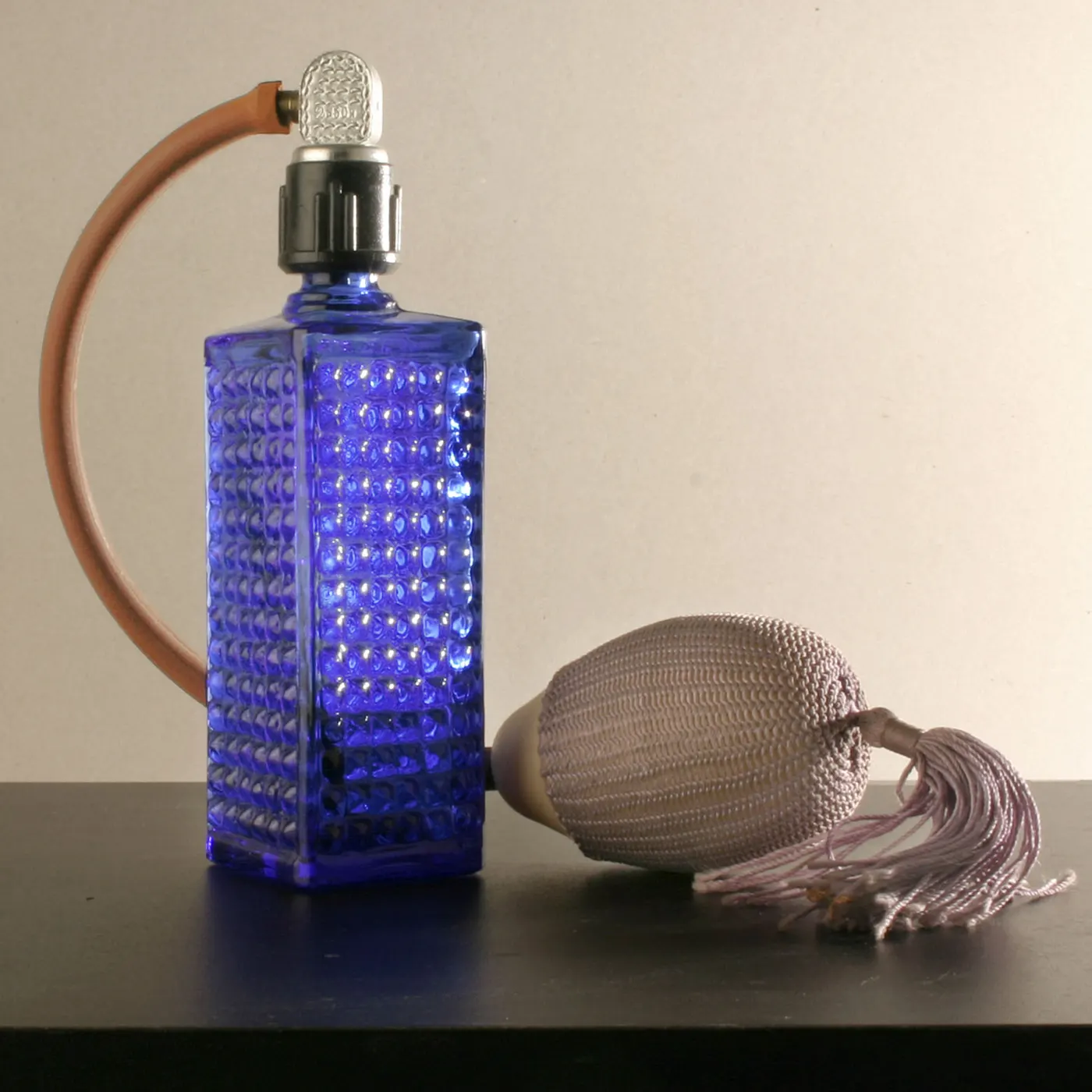
A beauty shelf mixes 30 ml bottles, 3.5 gram sticks and 14-pan palettes, and the prices on them are not comparable in any direction. The only comparison that survives is cost per use: the price divided by the number of times the thing will actually be used before it is finished or thrown away.
This guide does that sum for five common purchases, then adds the two numbers that are usually left out — delivery and tax. Every price is an example used to show the method, checked on 2026-11-03. No live prices are tracked on this site.
Cost per use is the only comparison that works across a shelf
Each line below is a division. The price goes on top; the number of uses goes underneath; the uses come either from the volume divided by what one application takes, or from the period-after-opening symbol on the pack multiplied by how often you use it.
That second route is the one people skip. A mascara with an open-jar symbol reading 6M has a six-month working life once opened, and the honest denominator is the number of mornings inside those six months rather than the number of strokes left in the tube. Used five days a week, six months is about 130 applications.
Once every item on your shelf has a cost per use, the expensive ones are rarely the ones you expected. At these example prices the fragrance costs three times a day of mascara and roughly half an application of foundation.
| Item | Example price | Uses assumed | Cost per use |
|---|---|---|---|
| 50 ml eau de parfum | £85 | 166 wears at 3 sprays of 0.1 ml | £0.51 |
| 30 ml foundation | £28 | 30 applications of about 1 ml | £0.93 |
| Mascara with a 6M symbol | £22 | 130, used 5 days a week for 6 months | £0.17 |
| Lipstick with a 24M symbol | £18 | 520, used 5 days a week for 24 months | £0.035 |
Every cell is the price in the same row divided by the uses in the same row. The spray and application volumes are planning assumptions; the month figures come from the open-jar symbol printed on the pack.
Fragrance: price per millilitre, then price per wear
A standard atomiser delivers roughly 0.1 ml a press, so a 50 ml bottle holds about 500 sprays. At 3 sprays a wear that is about 166 wears, and an example £85 bottle works out at about £0.51 each time you put it on.
Scale that up and the annual figure appears. Worn on 5 days a week, that bottle covers about 33 weeks and costs roughly £2.55 a week while it lasts. Worn daily it is gone in about 24 weeks, and the same £85 becomes a twice-yearly purchase rather than an annual one.
Moving to a 100 ml bottle at an example £120 drops the per-wear figure to about £0.36. That is the single largest lever on this page: a 29 percent reduction for buying the same liquid in a bigger container, provided you finish it.
- 50 ml at £85 is £1.70 per millilitre, or about £0.51 a wear at 3 sprays
- 100 ml at £120 is £1.20 per millilitre, or about £0.36 a wear at the same 3 sprays
- Worn 5 days a week, a 50 ml bottle lasts about 33 weeks and costs about £2.55 a week
- Worn 7 days a week, the same bottle lasts about 24 weeks
The palette problem, in numbers
A 14-pan palette at an example £38 looks unanswerable next to single pans at an example £16: £2.71 a pan against £16. The comparison only holds if you use all fourteen.
Count honestly. Most people reach for the same three to five shades and leave the rest sealed. Five used pans turns £38 into £7.60 for every pan that earns its place, and £48 of singles buys three colours chosen deliberately. The palette still wins on that arithmetic, but by a factor of two rather than six, and it wins by less again if two of your five are shades you would never have bought alone.
Apply the same test to sets and gift boxes. A box of five miniatures is cheap per millilitre and expensive per millilitre you actually use, and the ones you do not use still expire on the schedule printed on them.
| What you buy | Example price | Cost per pan in the pack | Cost per pan you actually use |
|---|---|---|---|
| 14-pan palette, all 14 used | £38 | £2.71 | £2.71 |
| 14-pan palette, 5 used | £38 | £2.71 | £7.60 |
| Three single pans | £48 | £16.00 | £16.00 |
The middle row is the realistic one for most households. Count the shades you wore in the last month before deciding which row describes you.
Delivery, VAT and the total price you actually pay
Since 6 April 2025 the Competition and Markets Authority's guidance on unfair commercial practices requires an invitation to purchase to show a total price, including mandatory fees, taxes and charges, and treats drip pricing — a headline figure with compulsory extras added later in the basket — as a prohibited practice. The advertising rules say the same thing from the other direction: CAP Code rule 3.18 requires quoted prices to include non-optional taxes, duties, fees and charges that apply to all or most buyers.
For a consumer in the United Kingdom that means the shelf price already contains VAT, charged at the standard rate of 20 percent on most goods. Delivery is the line that moves. An example £4.95 delivery charge on the £85 bottle above is 5.8 percent on top, and it takes the cost per wear from £0.51 to about £0.54.
That is small for one bottle and large for a habit. Four deliveries a year at £4.95 is £19.80, which is most of a mascara. Consolidating orders, or reaching a seller's free-delivery threshold deliberately rather than accidentally, is worth more than most discount codes.
What moves the number, in order
Bottle size moves the fragrance line most: 29 percent between the 50 ml and 100 ml examples. Honest use counts move the make-up lines most: the palette swings by a factor of nearly three between fourteen pans used and five. Delivery moves everything by a few percent and compounds across a year.
What barely moves anything is the discount you waited for. A 10 percent code on the £85 bottle saves £8.50 and takes the wear from £0.51 to about £0.46; buying the 100 ml bottle at full price saves more per wear than that. Put your own figures into the cost-per-wear calculator on this site and the ranking usually holds.
Before you buy
- List every item you are comparing with its price and its volume or its open-jar month figure
- Divide each price by a realistic number of uses rather than by millilitres
- Count the palette pans you wore in the last month, not the pans in the pack
- Add delivery to the order total and recompute the cost per use before you buy
- Check whether a free-delivery threshold is close enough to reach with something you need
- For overseas orders, check the consignment value against the £135 threshold first
- Repeat the sum for the larger bottle size before assuming the small one is affordable
Questions readers ask
- How do I count uses for something with no open-jar symbol?
- Products that keep for 30 months or less carry a minimum durability date instead, so use that date and count the days until it. If neither appears, the pack is likely under 5 grams or 5 millilitres, where some labelling is not required, and the realistic denominator is how many applications the volume holds.
- Is 1 ml a fair assumption for a foundation application?
- It is a planning figure, not a measurement, and it suits full coverage over a whole face. If you use foundation on three areas rather than all over, a 30 ml bottle can stretch to 50 or 60 applications, which takes the example £28 bottle from £0.93 to about £0.47 a use. Use your own bottle's lifespan once you have tracked one.
- Does a discount code beat buying the bigger bottle?
- Rarely. On the example figures a 10 percent code on a £85 50 ml bottle gives about £0.46 a wear, while the 100 ml bottle at £120 gives about £0.36 a wear at full price. The larger container wins by about 10 pence a wear, and it keeps winning on every repurchase rather than once.
- Why does delivery matter if it is only a few pounds?
- Because it is charged per order rather than per item. An example £4.95 on one £85 bottle is 5.8 percent; the same £4.95 on a single £18 lipstick is 27.5 percent. Ordering four times a year at that rate is £19.80, so the cost of a split order is roughly the cost of a mascara.
- Will I be charged VAT on something sent from abroad?
- On goods above £135 sent to Great Britain, yes, and on gifts worth more than £39. Below £135 there is no customs duty on non-excise goods, but the seller or the carrier may still account for VAT. Carriers commonly add a handling fee of their own on top, which is a charge the overseas listing will not have shown.
Sources
- GOV.UK — Unfair commercial practices (CMA207): total price in an invitation to purchase, drip pricing, applies from 6 April 2025 — checked 2026-11-03
- ASA / CAP Code section 3 — rule 3.18, quoted prices must include non-optional taxes, duties, fees and charges — checked 2026-11-03
- GOV.UK — VAT rates: standard rate 20 percent on most goods and services — checked 2026-11-03
- GOV.UK — Goods sent from abroad: tax and duty (£135 customs threshold, £39 gift threshold) — checked 2026-11-03
Advertising is not enabled on this site yet. When it is, ads will be labelled and kept visually separate from the guides.