How to choose
Eau de toilette or eau de parfum: which bottle to buy
The strength word on a fragrance box is trade convention, not law. Compare concentration, sprays per bottle and cost per wear before you decide.
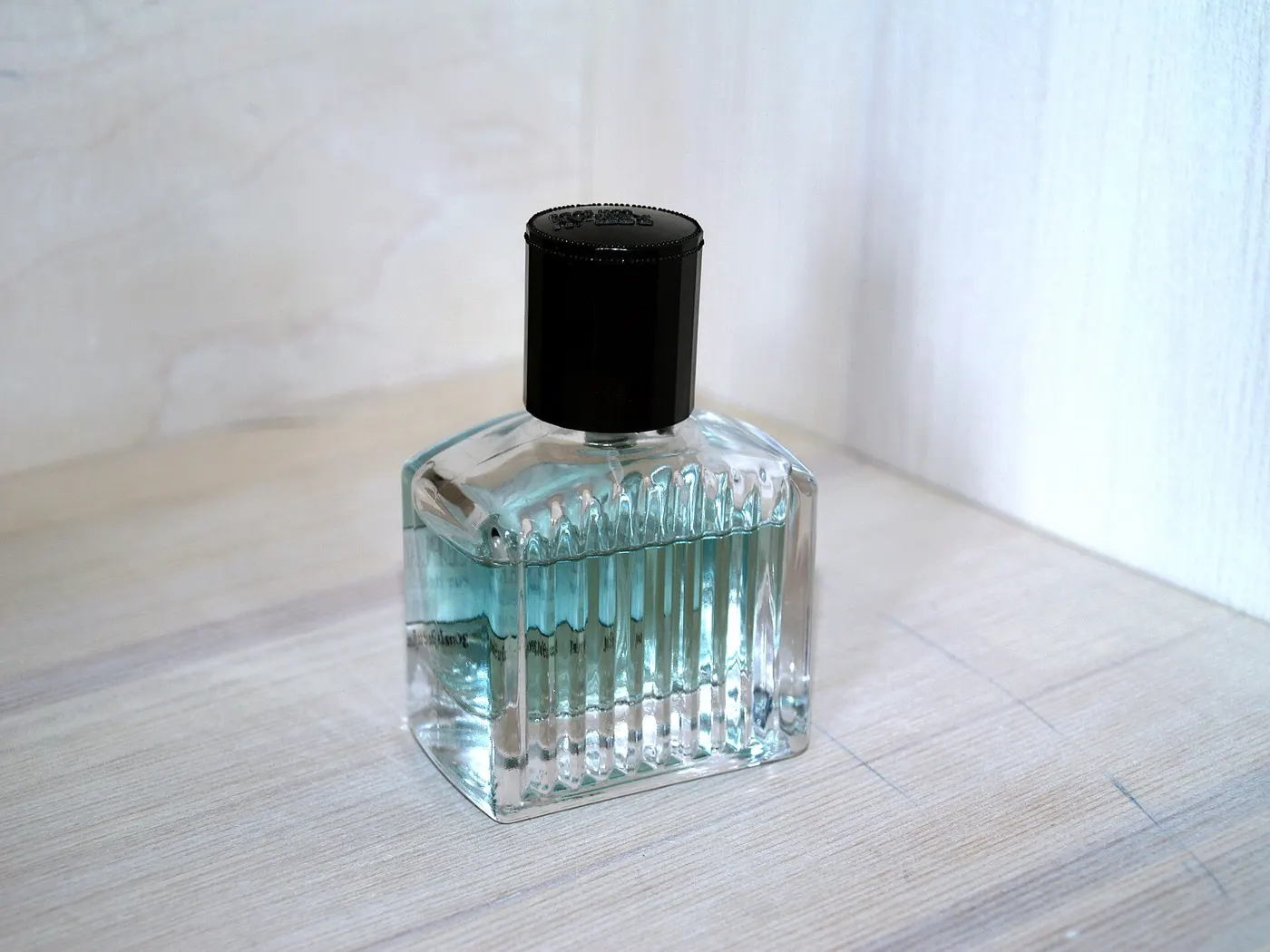
Two bottles sit next to each other. One says eau de toilette, one says eau de parfum, and the second costs half as much again. Nothing on either label tells you how much aromatic compound is in it, how long it will last on skin, or how many mornings the bottle will cover.
This guide replaces the strength word with three numbers you can get from the shelf: millilitres, price, and the sprays you actually use. Every price below is an example used to show the arithmetic, checked on 2026-11-03, not a price we are quoting or tracking.
The strength word is a trade convention, not a legal grade
British cosmetics labelling law tells a perfume house what it must print, and concentration is not on the list. The guidance for making cosmetic products available to consumers in Great Britain requires the weight or volume, a usage date, and the ingredients, with nanomaterials marked '(nano)'. Products under 5 grams or 5 millilitres are exempt from parts of that, which is why sample vials often carry almost nothing.
Nothing in that list defines 'eau de parfum'. The terms are an industry convention, and the percentages below are the ranges the trade generally works to rather than figures any UK regulator sets. Two houses can both print 'eau de toilette' and use strengths several percentage points apart, and neither is mislabelling anything.
The practical consequence is that you cannot read longevity off a box. What you can read is the volume and the price, and those two are enough to compare bottles honestly.
| Name on the box | Aromatic compound, by convention | What it usually means for a working day |
|---|---|---|
| Eau de cologne | about 2 to 5 percent | Freshens for an hour or two, designed to be reapplied |
| Eau de toilette | about 5 to 15 percent | Noticeable for a morning; many people top it up after lunch |
| Eau de parfum | about 15 to 20 percent | Usually still present at the end of a working day from 3 sprays |
| Parfum or extrait | about 20 to 30 percent | Dabbed rather than sprayed; a 15 ml bottle can last years |
These bands are the published trade convention and are not a specification. Skin chemistry, temperature and where you spray all move the result more than two percentage points of concentration do.
Turn the bottle into wears before you compare prices
A standard atomiser delivers roughly 0.1 ml per press. Treat that as a planning assumption rather than a measured figure, because nozzles differ, but it is the figure that makes the shelf comparable. On that assumption a 50 ml bottle holds about 500 sprays, and at 3 sprays a wear it covers about 166 wears.
Now the prices mean something. At an example £85 for 50 ml, each wear costs about £0.51. The same fragrance at an example £120 for 100 ml is £1.20 per millilitre against £1.70, and each wear falls to about £0.36 — a saving of 15 pence every time you put it on, which over 333 wears is about £50.
The large bottle only wins if you finish it. If you own six fragrances and rotate them, a 100 ml bottle at 3 sprays a wear is several years of mornings, and a fragrance stored badly for several years is not the fragrance you bought. The cost-per-wear calculator on this site takes your own spray count so you can see where the crossover sits for the way you actually wear it.
| Bottle | Example price | Sprays in the bottle | Wears at 3 sprays | Cost per wear |
|---|---|---|---|---|
| 30 ml | £60 | 300 | 100 | £0.60 |
| 50 ml | £85 | 500 | 166 | £0.51 |
| 100 ml | £120 | 1,000 | 333 | £0.36 |
Each cell is the price divided by the wears in the same row. Price per millilitre is £2.00, £1.70 and £1.20 respectively, and cost per wear is simply that figure multiplied by the 0.3 ml a 3-spray wear uses.
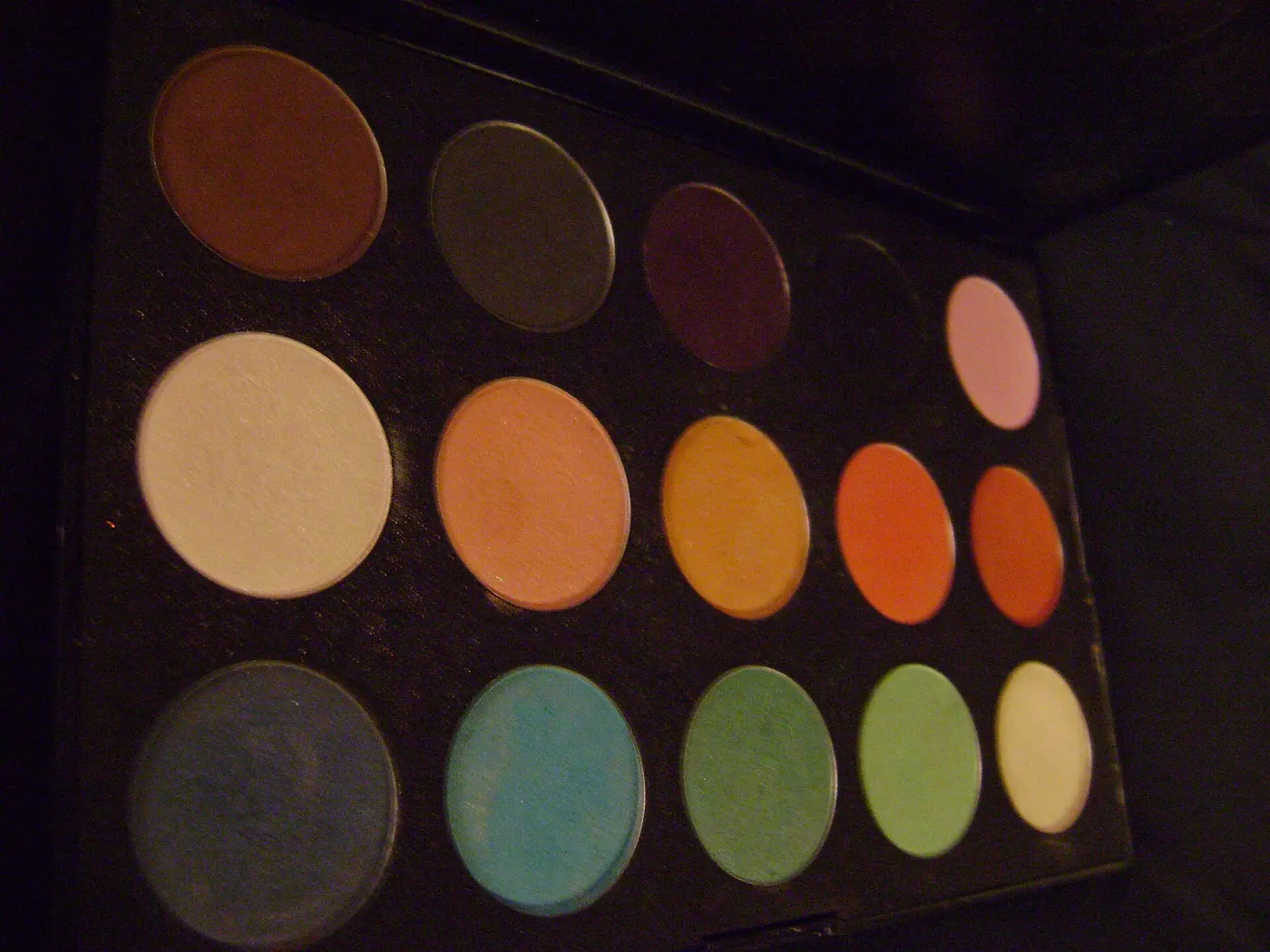
Make-up shades: the ingredient list will not tell you yours
Article 19 of the retained cosmetics regulation requires ingredients in descending order of weight, with anything under 1 percent allowed in any order after that. For decorative cosmetics sold in a range of shades there is a further allowance: the pack may list every colorant used across the whole range, marked 'may contain' or '+/-'.
That is why the back of a foundation or a palette can carry a long list of pigments that are not in the shade you are holding. Reading that list to work out your undertone is reading the wrong document. The only thing that settles a shade is the product on your own jaw, in daylight, left for ten minutes.
A palette changes the maths rather than the method. A 14-pan palette at an example £38 is £2.71 a pan, which looks decisive against single pans at an example £16. If you only ever reach for five of the fourteen, the honest figure is £7.60 for each pan you use, and three singles at £48 buys three colours you chose.
- Ingredients above 1 percent are in descending order of weight; everything below 1 percent can be in any order
- '+/-' or 'may contain' means the colorant list covers the whole shade range, not your shade
- A 14-pan palette at £38 is £2.71 a pan, or £7.60 a pan if you only use five of them
- Three single pans at £16 each is £48 for three colours you have actually chosen
The 100 ml line decides what travels with you
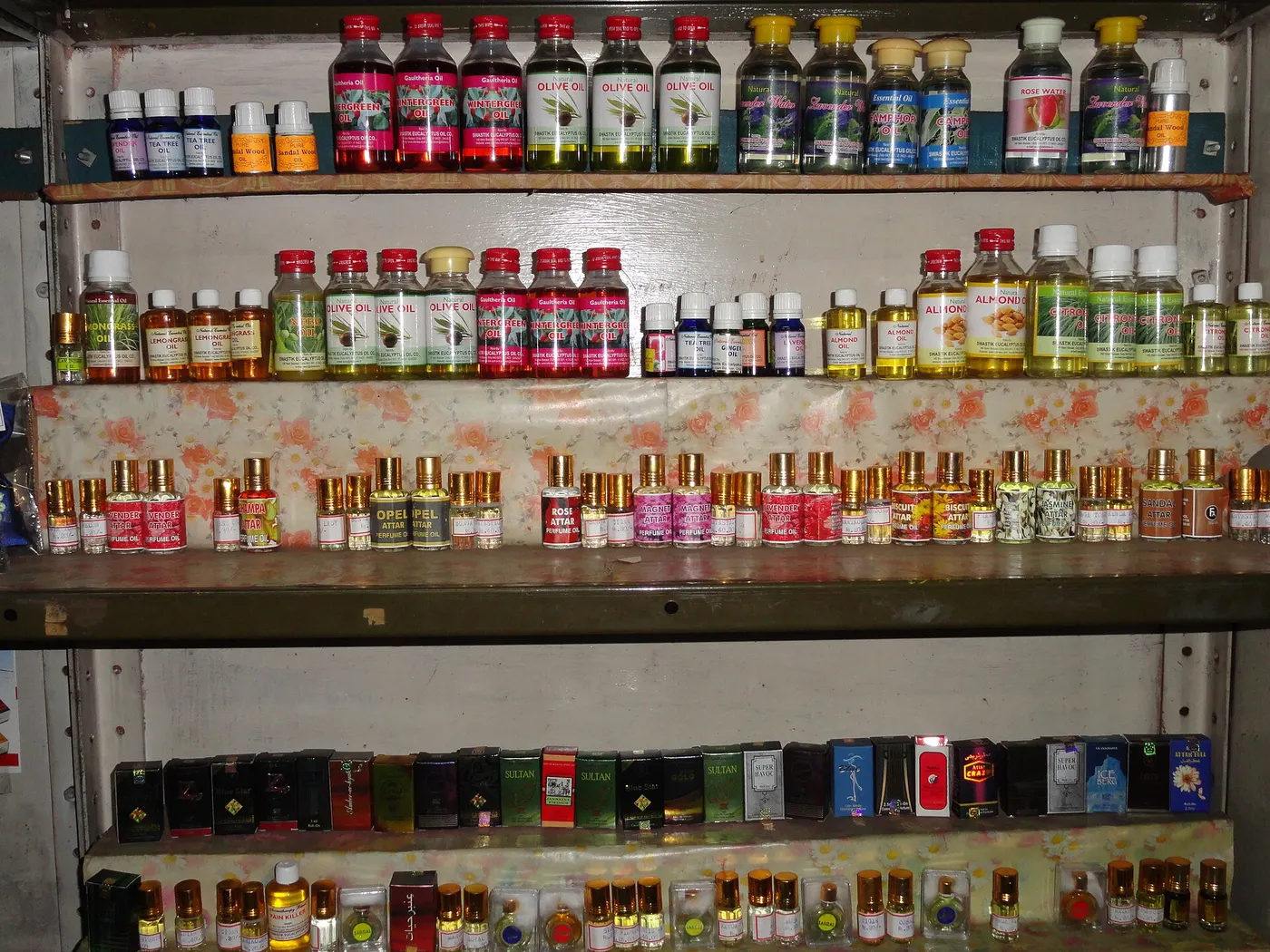
Government hand luggage guidance puts perfumes and sprays in the liquids category: no container larger than 100 ml through security, and all of them inside one transparent resealable bag holding no more than a litre. A 100 ml bottle is at the limit rather than over it, and a 125 ml bottle cannot go in the cabin at any level of fullness.
If you travel for work every few weeks, that single rule can outweigh the per-millilitre saving in the table above. A 100 ml bottle at £0.36 a wear that lives at home, plus a small refillable atomiser for trips, is cheaper and more practical than buying a second 30 ml bottle at £0.60 a wear to keep in a case.
Airports differ in how they apply the bag rule in practice, so the safe plan is the one in the guidance: one litre bag, nothing over 100 ml, decanted into a container that is itself under 100 ml.
What actually decides it
If 3 sprays at eight in the morning must still be there at six in the evening, the eau de parfum is doing a job the eau de toilette is not, and the extra price buys it. If you reapply at lunchtime anyway, the lighter concentration costs less per wear and gives you the same day.
After that it is volume. Buy the largest bottle you will finish inside about three years, keep it out of light and heat, and let the per-millilitre figure do the rest. For a fragrance you are unsure about, a 30 ml bottle at £0.60 a wear is 100 wears of evidence for £60, which is a cheaper way to be wrong than 333 wears of a scent you stop reaching for.
Before you buy
- Write down the price and the volume of both bottles and divide to get price per millilitre
- Count the sprays you actually use in a wear, then divide the bottle's millilitres by 0.1 to get its spray count
- Divide the price by the wears to get a cost per wear you can compare across strengths
- Decide whether you will finish the larger bottle within about three years before buying it
- Check whether the bottle you want is over 100 ml if it needs to travel in hand luggage
- For make-up, ignore the '+/-' colorant list and test the shade on your jaw in daylight
- Count how many pans of a palette you would genuinely use before comparing it with singles
Questions readers ask
- Does eau de parfum always last longer than eau de toilette?
- More often than not, because there is more aromatic compound in the same volume, but it is not guaranteed. The bands are trade convention and no UK rule sets them, so one house's toilette can be stronger than another's parfum. The reliable test is 3 sprays on your own skin in the morning and a note of what time you stop noticing it.
- Is the 100 ml bottle always better value?
- On the arithmetic, yes: at the example prices here it is £1.20 per millilitre against £1.70 for 50 ml and £2.00 for 30 ml, which is £0.36 a wear instead of £0.51 or £0.60. It stops being better value if you do not finish it, because a bottle open for five years in a warm bathroom is not what you paid for.
- Why does the back of my foundation list pigments I can see are not in it?
- Because decorative cosmetics sold in several shades are allowed to print the colorants used across the whole range, marked 'may contain' or '+/-'. The rule is in Article 19 of the cosmetics regulation. It means the list identifies the range, not your bottle, so shade choice has to be settled on skin in daylight.
- Can I take my 100 ml bottle in hand luggage?
- Yes, at the limit. Government guidance allows containers up to 100 ml, all carried in one transparent resealable bag holding no more than a litre, and it names perfumes and sprays explicitly. A 125 ml bottle is not allowed through security however little is left in it, because the rule is on container size rather than contents.
- Is a palette cheaper than buying single eyeshadows?
- Per pan, always. At an example £38 for 14 pans that is £2.71 each against £16 for a single. Per pan you use, often not: five used pans from that palette is £7.60 each. Count how many shades you genuinely wear in a month before the pan count persuades you.
Sources
- GOV.UK — Making cosmetic products available to consumers in Great Britain (labelling: ingredients, usage date, weight or volume, the 5 g and 5 ml exemption) — checked 2026-11-03
- legislation.gov.uk — Regulation (EC) No 1223/2009 on cosmetic products, Article 19 (ingredient order, the 1% rule, 'may contain' and '+/-' for shade ranges) — checked 2026-11-03
- GOV.UK — Hand luggage restrictions: liquids (100 ml container limit, one litre bag, perfumes and sprays included) — checked 2026-11-03
Advertising is not enabled on this site yet. When it is, ads will be labelled and kept visually separate from the guides.